What Makes a Watch Worth Bringing Back?
At Windup Watch Fair New York, Timex revisits its archives, reimagines familiar designs, and introduces a new generation to the stories behind its watches.
I was about ten years old when a silver Timex Cavatina with a black strap caught my attention at our neighborhood drugstore. I visited nearly every day, admiring the watch and saving my money until I could finally afford it. If memory serves, the price was about $11.
Decades later, at Windup Watch Fair New York, I found myself discussing the enduring appeal of Timex's archival designs with Elizabeth Thompson, Vice President of Product Management at Timex Group.
Among the watches Thompson singled out was the Cavatina, a women's collection dating to the 1960s. Hearing her speak about its return brought me back to that drugstore and the watch I had been so determined to own.
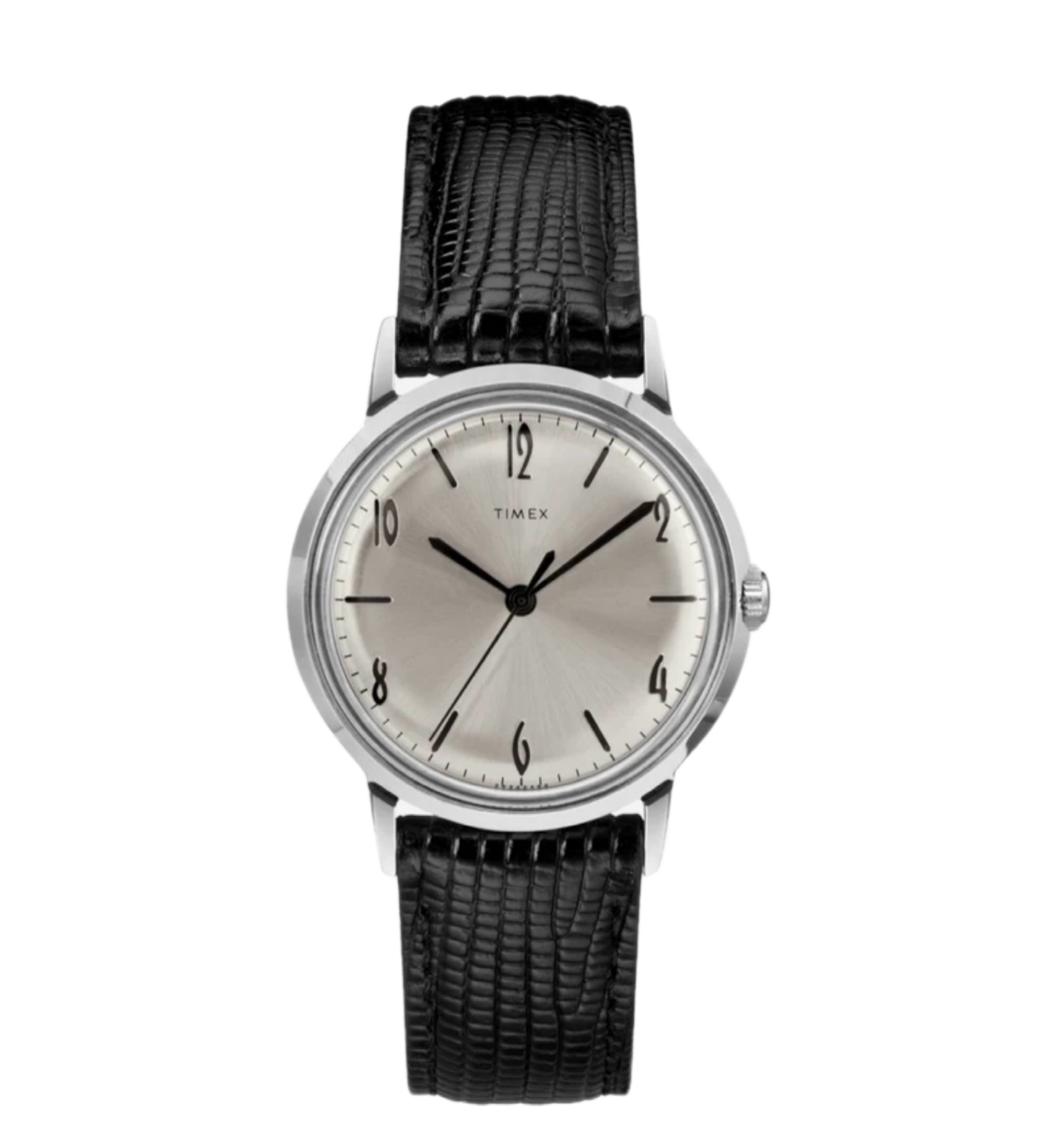
Timex has more than 170 years of history to draw upon. For Thompson, the challenge is identifying which designs still resonate and finding ways to reinterpret them for today's collectors.
That conversation returned me to one of the brand's most familiar advertising slogans: "Takes a licking and keeps on ticking." I asked Thompson what those words meant to the company today.
Her answer extended beyond durability. It was about navigating changes in the watch industry while remaining true to the brand's identity.
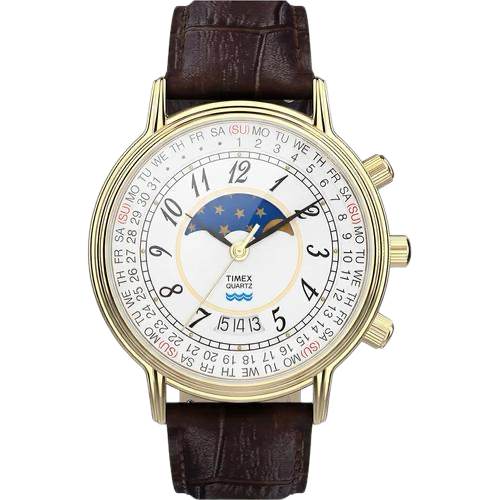
When I asked how Timex decides which archival designs deserve another interpretation, Thompson pointed to the company's rich history.
Moon-related designs, she explained, have long held a place in vintage watchmaking. The Timex archives contain numerous examples that can inspire contemporary releases.
The archive, then, is not simply a collection of old products. It is a resource of visual ideas, emotional associations, and design language that can still speak to the present.
That ability to recognize what made a watch memorable in the first place is central to the appeal of a reissue. The objective is not nostalgia alone, but a design that finds meaning with another generation.
At Windup, that approach was evident in two fair-exclusive introductions.
The first was a two-tone, Swiss-made Timex Atelier Marine, a dive-inspired design with gold-tone details. Just 25 individually numbered pieces were available at the event.
The second was a 34 mm Marlin with a California dial, drawing on the brand's mid-century watchmaking history. That edition was limited to 100 pieces.
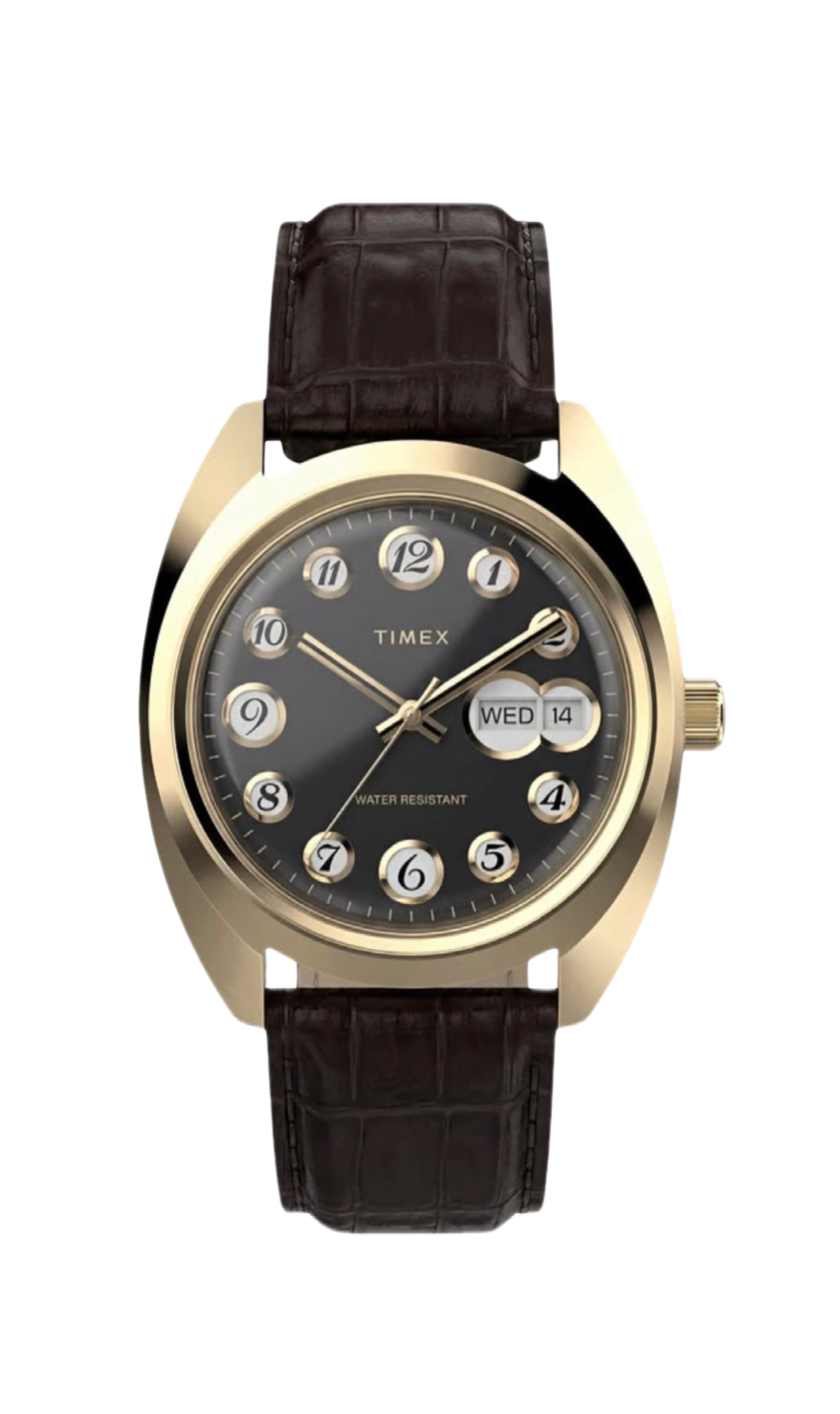
Another point of interest was the rotary-dial watch, which borrows the familiar arrangement of numbers from a rotary telephone.
Thompson confirmed that the design had sold out, returned, and was expected to sell out again.
She also pointed to the enthusiasm of younger customers who never experienced rotary telephones firsthand. For them, the watch introduces an unfamiliar piece of design history, sometimes connected to memories passed down through family.
For older collectors, the appeal may be recognition. For younger wearers, it can be discovery. The same watch can tell different stories depending on who is looking.
"It's all about looking at what's happening in the business, but then also staying authentic and true to what we are."
That observation brought our conversation back to the relationship between a brand's past and its future.
The Cavatina I saved for at ten years old was part of my own introduction to watches. Decades later, the same collection was among those Thompson chose to discuss.
Timex's archives offer more than designs to reproduce. They preserve stories that can be rediscovered, reinterpreted, and passed along.
The two Windup-exclusive releases represented just 125 numbered watches between them, each offering collectors another opportunity to connect with the brand's history.
Did every one of those 125 watches find a new wrist before the fair was over?