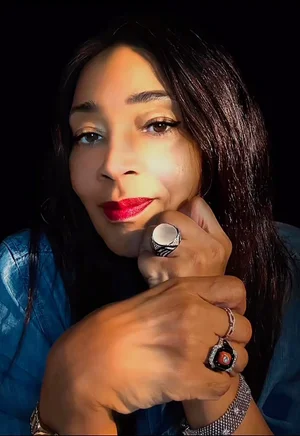
Q&A with Lana Frank
The author of All About Diamonds on History, Transparency & Trust
BEYOND
THE PAGES
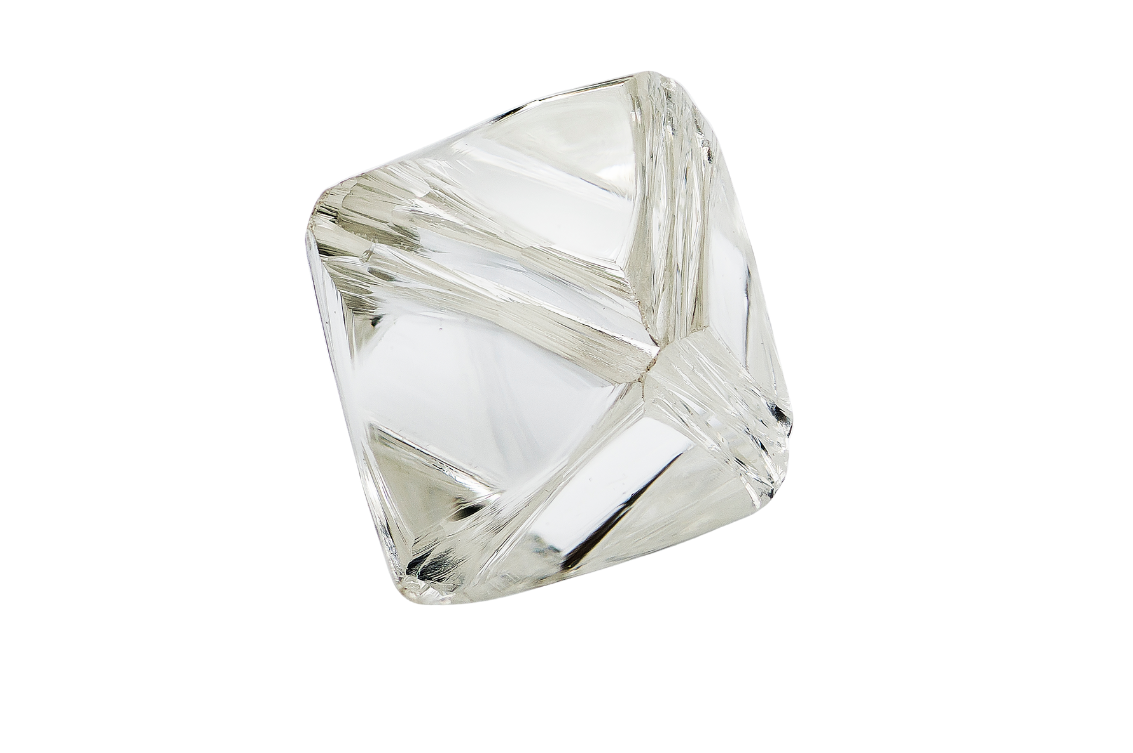
A diamond's journey does not begin at the jewelry counter. Long before it reaches a display case, it has traveled through geological time and an industry shaped by expertise, craftsmanship, commerce, and human decisions.
For diamond cutter and author Lana Frank, telling that story was central to All About Diamonds. But there was another part of the journey she wanted to explore, one that did not appear in the finished book.
The subject was blood diamonds.
In a conversation with ONE MORE LOOK, Frank discusses why she believes the industry's difficult history deserves to be examined, how the language surrounding responsible sourcing can shape public understanding, and why progress and accountability belong in the same conversation.
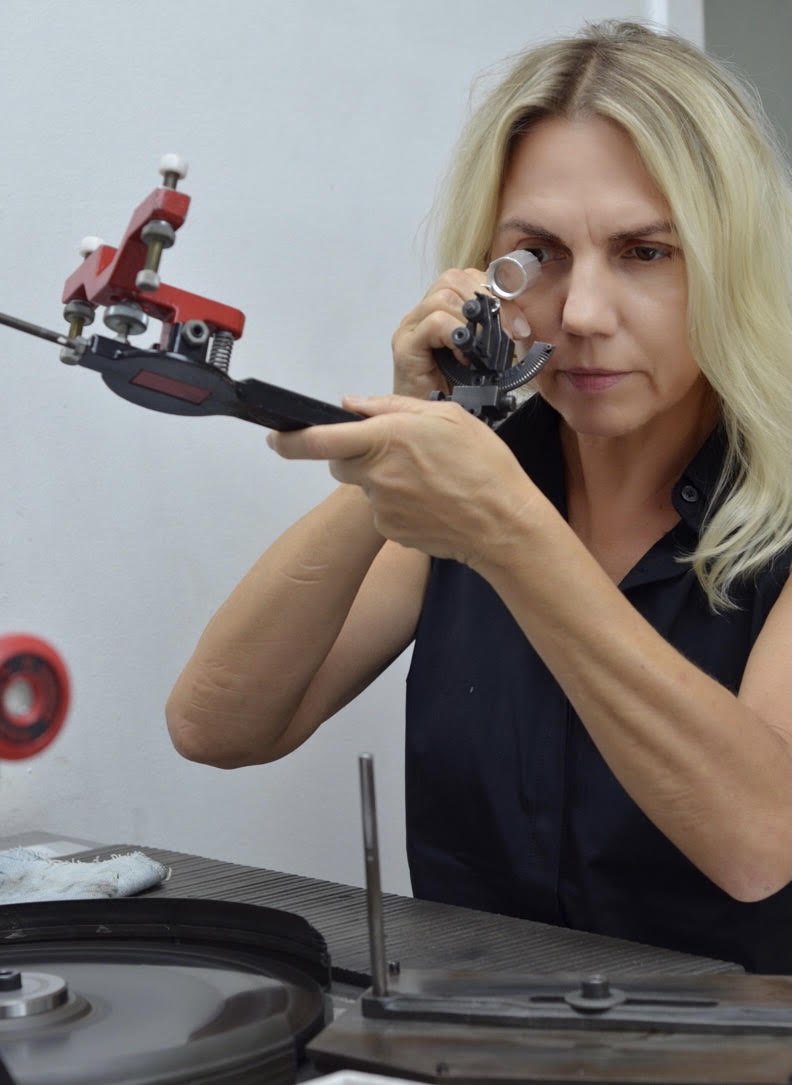
When you began writing All About Diamonds, what did you most want readers to understand about diamonds that you felt was missing, misunderstood, or oversimplified in the public conversation?
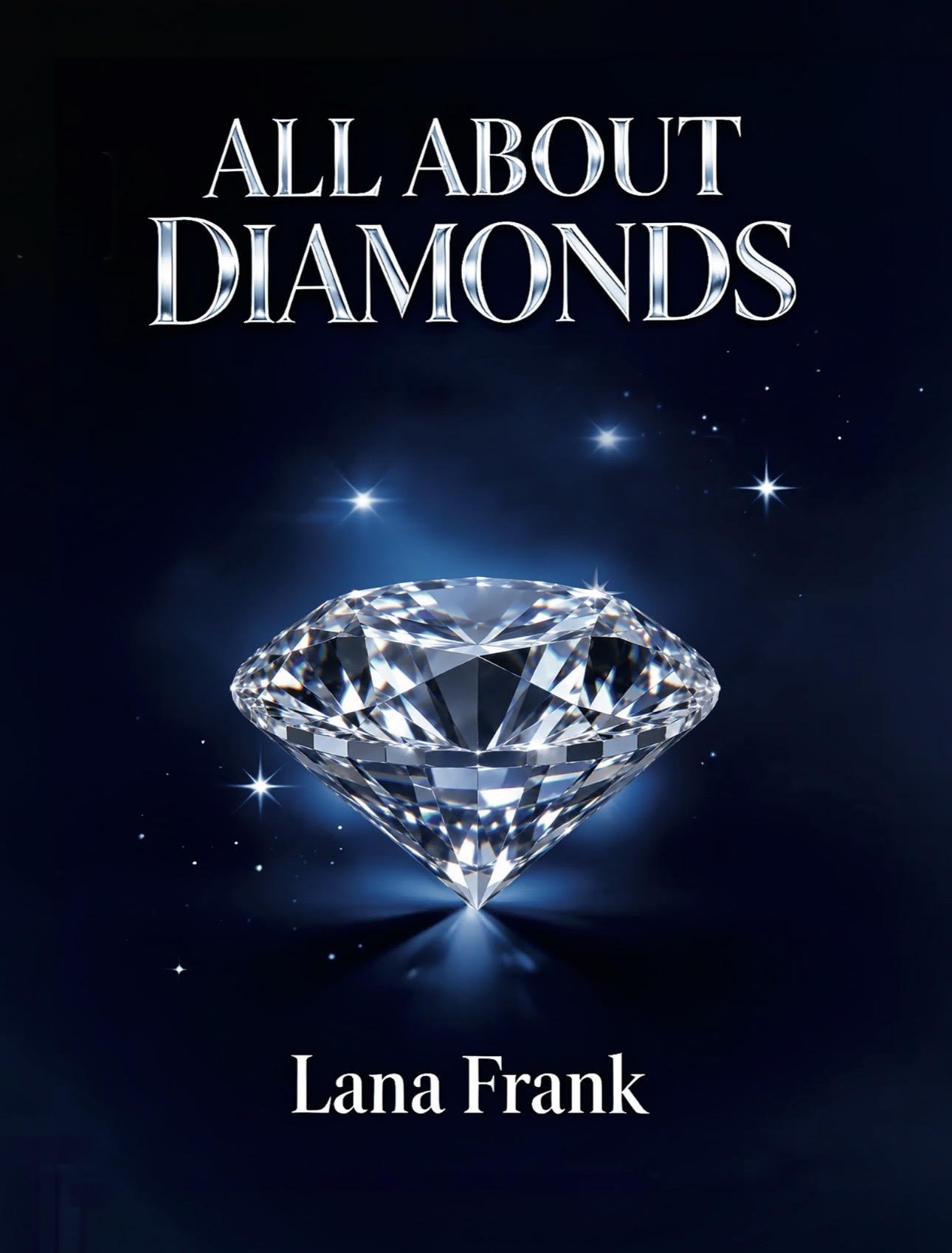
When I began writing All About Diamonds, I wanted to bring greater clarity to a subject that is often missing, misunderstood or oversimplified in public conversations. Many people see a finished diamond in a piece of jewelry without knowing the remarkable journey behind it, or how many people, skills, and stages go into bringing it to them.
I intended to tell that full story in an accessible, big-picture way. I wanted to give readers a clear overview of the entire diamond pipeline without overwhelming them with scientific detail or complicated terminology. The book is for anyone curious about diamonds, including people who may know little about the industry, not only professionals working within it. A diamond’s story begins long before it reaches a jeweler or consumer. It forms over time in the earth, then must be discovered, recovered, studied, cut, polished and brought to market. Each stage depends on the knowledge and work of many people: from those involved in exploration and mining to gemologists, cutters, craftspeople, traders, retailers and experts who help uphold standards, regulation and consumer rights.
I also wanted readers to recognize the human effort and expertise behind every step. By explaining how the different parts of the industry connect, I hoped to offer a fuller, more nuanced picture of diamonds, one that honors the people, craftsmanship and responsibility behind the finished piece of jewelry.
Above all, I wanted the book to speak to consumers worldwide. Consumers are not simply at the end of the diamond journey; their interest, trust and choices help sustain the industry. They deserve to understand the full story behind the diamonds they choose.
You mentioned that your original manuscript included a section on blood diamonds that the publisher ultimately asked you not to include. What did you want to say in that section, and what experiences or evidence over the course of your career shaped your point of view?
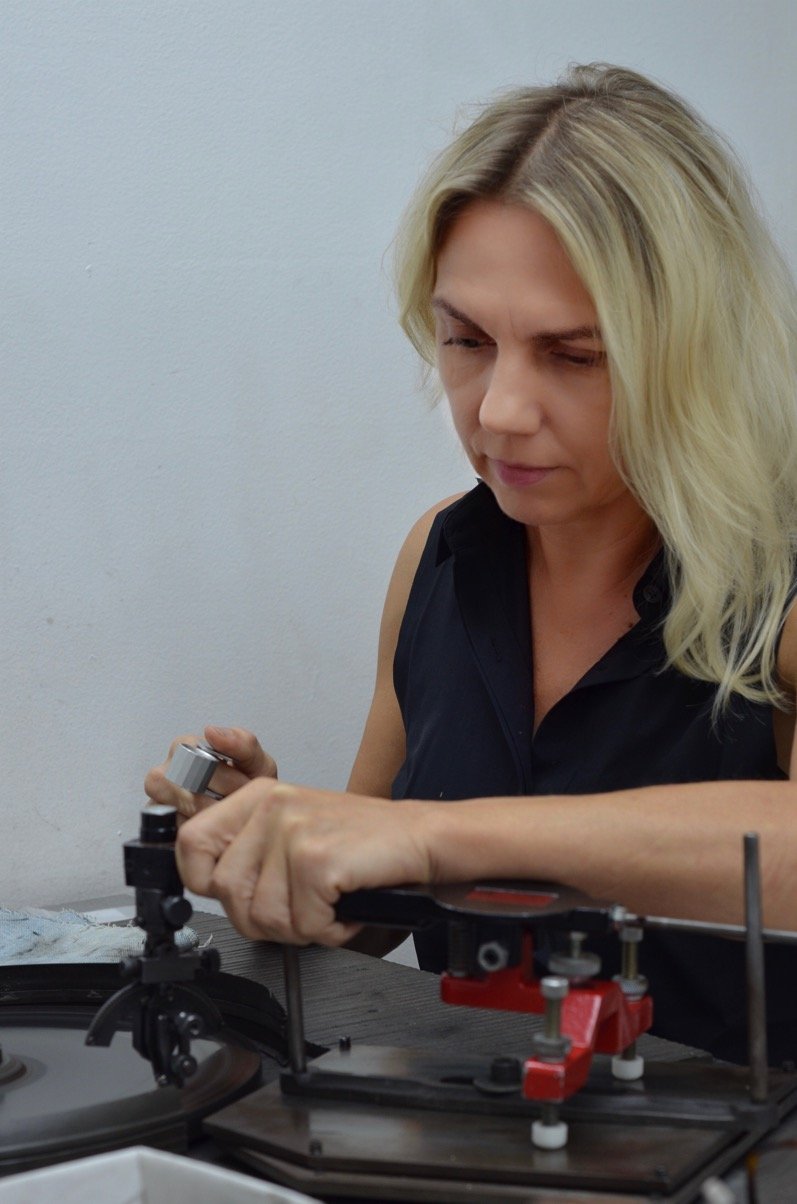
That’s true. My original manuscript included a section on “blood diamonds,” in which I shared my perspective on the issue and mentioned the film Blood Diamond, starring Leonardo DiCaprio, one of my favorite actors. I wanted to address a subject many readers already know about, rather than leave an important part of the public conversation unexamined. I believe avoiding difficult subjects can leave consumers less informed and more distrustful. I didn’t want All About Diamonds to read like propaganda or to suggest that the industry has never made mistakes. I wanted to acknowledge that serious problems have existed in the past while also explaining that the industry, and the circumstances surrounding diamond sourcing, have changed enormously and are still being addressed. In my view, bringing concerns into the open and explaining what is being done, helps readers make more informed choices. That perspective was shaped in part by experiences I had while managing a retail jewelry store in Fort Lauderdale, Florida. A customer told me she would never buy a natural diamond again because her daughter had said that all natural diamonds involved human-rights violations, and other issues, particularly in mining. When I asked whether she had visited those mines or seen those conditions herself, she said she had never been in those places, but had read about them on the internet. The conversation stayed with me: people form strong opinions based on what they hear, and the industry needs to engage with those concerns openly rather than simply dismiss them.
I also wanted to offer a clearer picture. I know people doing business in Sierra Leone today who have shared positive experiences with me, and I hope to visit the country myself one day. I would not present those personal experiences as proof that every concern has been resolved. Rather, they reflect why I believe it is important to look beyond a single story of the past and consider the people, places and efforts involved.
I have enormous affection for the natural-diamond industry and my intention has never been to cast a shadow over it. But I believe honest discussion is more reassuring than silence. Most industries have difficult chapters, facing them truthfully does not mean rejecting the industry. It can help build understanding and trust. I hoped to give readers a balanced perspective, one that acknowledges concerns they may have already heard and helps them feel better informed when deciding whether a natural diamond is right for them.
The terms "blood diamond," "conflict diamond," and "conflict-free" are often used as though they mean the same thing. What do you believe consumers most often misunderstand about those terms, and what distinctions do you think are important?
I think consumers often hear “blood diamond,” “conflict diamond” and “conflict-free” used as though they mean exactly the same thing. They are connected, but they are not interchangeable. “Blood diamond” is a phrase many people recognize from public discussion. It brings to mind the suffering and violence associated with diamonds in certain conflicts. “Conflict diamond” refers more specifically to diamonds linked to the financing of armed conflict. To me, “conflict-free” is a hopeful and reassuring term. It reflects the work done to prevent diamonds from being used to finance conflict and to support their movement through legitimate trade. Since the issue came to wider attention, governments and people across the diamond industry have introduced controls, standards and sourcing practices to address it. These efforts have made a meaningful difference, and the continued attention given to responsible sourcing shows a commitment to progress.
I intend to recognize both the improvements made and the work that continues. When we speak openly about the history, explain the distinctions and share the progress, consumers can make informed choices with greater confidence.


Rough-diamond photography by Adrianne Sanogo. Images illustrate natural color variation, not sourcing conditions.
More than two decades after the Kimberley Process was established, what do you believe has genuinely changed in the diamond supply chain, and where do you believe the systems designed to protect consumers and communities still have limitations?
More than two decades after the Kimberley Process was established, I believe the diamond supply chain has made real and important progress. There is much greater awareness of the harm that conflict diamonds can cause, and preventing them from financing violence has become a shared responsibility across the trade. The Kimberley Process brought countries together around a common system for rough-diamond shipments, helping make the issue visible and prompting stronger attention to controls and accountability.
The effort to improve the supply chain involves more than the Kimberley Process alone. Organizations such as the World Diamond Council and the Responsible Jewellery Council, among others, each contribute in different ways, from encouraging responsible business practices and sourcing standards to supporting artisanal mining communities. Their work, alongside the efforts of governments and people throughout the trade, reflects a genuine commitment to making the industry better. I find that progress encouraging. The systems and initiatives developed over the years have helped move the conversation from simply recognizing a problem toward taking practical steps to address it. Continued cooperation, transparency and investment in the communities connected to diamond production will be essential. For me, honest acknowledgment of both the progress and the remaining challenges is the most promising way to strengthen the supply chain and earn consumers’ trust. The Kimberley Process has helped bring attention to conflict diamonds and created a system to keep them out of the legitimate diamond trade. That is important progress. But it still has some limits where it can be difficult to follow a diamond through every step of the supply chain after stones have been mixed, cut or polished. I believe the answer is to recognize what the process has achieved while continuing to improve it and strengthen other responsible-sourcing efforts.
“Continued cooperation, transparency and investment in the communities connected to diamond production will be essential.”
If you could restore one idea from that unpublished section to All About Diamonds today, what would you most want readers to know, and why do you believe it still matters?
If I could restore one idea from that section, it would be that acknowledging the past and offering reassurance can—and should—go hand in hand. People have already heard about blood and conflict diamonds, so removing the subject does not make their concerns disappear. I would rather address it openly, recognize the improvements that have been made and continue to be made, and reassure readers that buying a diamond can be a positive choice. Diamonds are important not only to the people who work in the industry, but also to the many individuals and communities whose livelihoods depend on it. In some cases, the benefits of the diamond trade have reached beyond individual families and contributed to the development of entire countries. That positive impact deserves to be part of the conversation too. I don’t believe we should overlook past mistakes. We should learn from them and keep strengthening responsible practices, transparency and trust. I hope that readers can move forward with a clearer, more balanced understanding, and feel confident that diamonds can continue to do great good for many people.

“I would rather address it openly, recognize the improvements that have been made and continue to be made, and reassure readers that buying a diamond can be a positive choice.”
EDITORIAL & IMAGE NOTES: Interview responses are reproduced as provided by Lana Frank. Lana's two photographs and the All About Diamonds book cover are courtesy of Lana Frank. Rough diamond: © Dmitrii Stoliarevich / Getty Images via Canva.com. White and yellow rough diamonds: photography by Adrianne Sanogo. Gaborone aerial photograph: © poco_bw / Lucian Coman via Canva.com. Editorial context on the Kimberley Process and Botswana is distinguished from the interviewee's remarks; sources are linked in the corresponding boxes. Licensed Canva content is not represented as copyright-free.