CARBON
COPY
One diamond. Two origins. An industry debating the words. The word diamond tells us what a material is. It does not, on its own, tell us where that material came from. And that distinction is becoming central to the way the jewelry industry speaks to consumers.
What Makes a Diamond a Diamond?

Natural and laboratory-grown diamonds share the fundamental chemistry and crystal structure that make them diamonds. Their origins, however, are different. Confusion begins when identical composition is mistaken for identical origin, rarity, or value.
A diamond grown in a laboratory or factory is not a diamond imitation. It is crystalline carbon with the characteristic structure of diamond. A natural diamond formed through geological processes; a synthetic diamond formed through a controlled technological process. Both are diamonds. Origin is the difference that must be disclosed.
From the Laboratory to the Jewelry Case

The modern story of diamond synthesis did not begin at a jewelry counter. In 1953, Sweden's ASEA team produced synthetic diamonds using high pressure and high temperature. General Electric achieved successful diamond synthesis in December 1954 and publicly announced the breakthrough in 1955. The technology developed over decades, and the production of gem-quality material would later make laboratory-grown diamonds a commercial jewelry category.
Rarity: Nature Versus Production
The earliest diamond-synthesis equipment represented an extraordinary scientific achievement. Researchers learned to reproduce the conditions necessary for carbon to crystallize as diamond. What began as a technical breakthrough eventually became an industrial manufacturing process.
I often compare laboratory-grown diamond production to making cookies. Once you have the recipe, the ingredients and the equipment, you can make another batch. Add more ovens and production can increase. Diamond synthesis is more demanding than baking, of course, and capacity is constrained by equipment, energy, expertise and cost. But manufactured supply can expand in ways that a natural geological deposit cannot.
Natural diamonds come from finite geological resources. Not every recovered natural diamond is gem quality, and exceptional combinations of size, color and clarity are rarer still. This does not make every natural diamond equally scarce, or every synthetic diamond easy to manufacture. It does mean that identical chemistry does not imply identical origin or identical supply constraints.
A factory can manufacture another diamond. It cannot manufacture another natural diamond deposit.


LEFT: Industrial biscuit production, photograph by Sviatlana Lazarenka / Getty Images, via Canva. RIGHT: Homemade chocolate chip cookies, photograph by A. David Lewis / Wikimedia Commons, CC BY-SA 4.0. Images illustrate scalable production and individual variation, not actual diamond manufacturing.
The Price of Production
A more scalable supply chain can change what buyers pay. BriteCo's appraisal-linked estimated median sales price per carat for laboratory-grown diamonds in engagement rings fell from $4,321 in 2020 to $2,015 in the first half of 2026.
These category-level figures are not prices for identically graded loose diamonds. They also are not wholesale quotations or resale valuations.
Beyond the Center Stone

A finished ring's price reflects more than its center stone. Metal, setting, craftsmanship and retail costs matter, and fluctuations in gold and platinum prices can affect the total independently.
Neither origin guarantees an investment return. Understanding a diamond's origin is essential to understanding its price, rarity, and value.
What Consumers Actually Buy
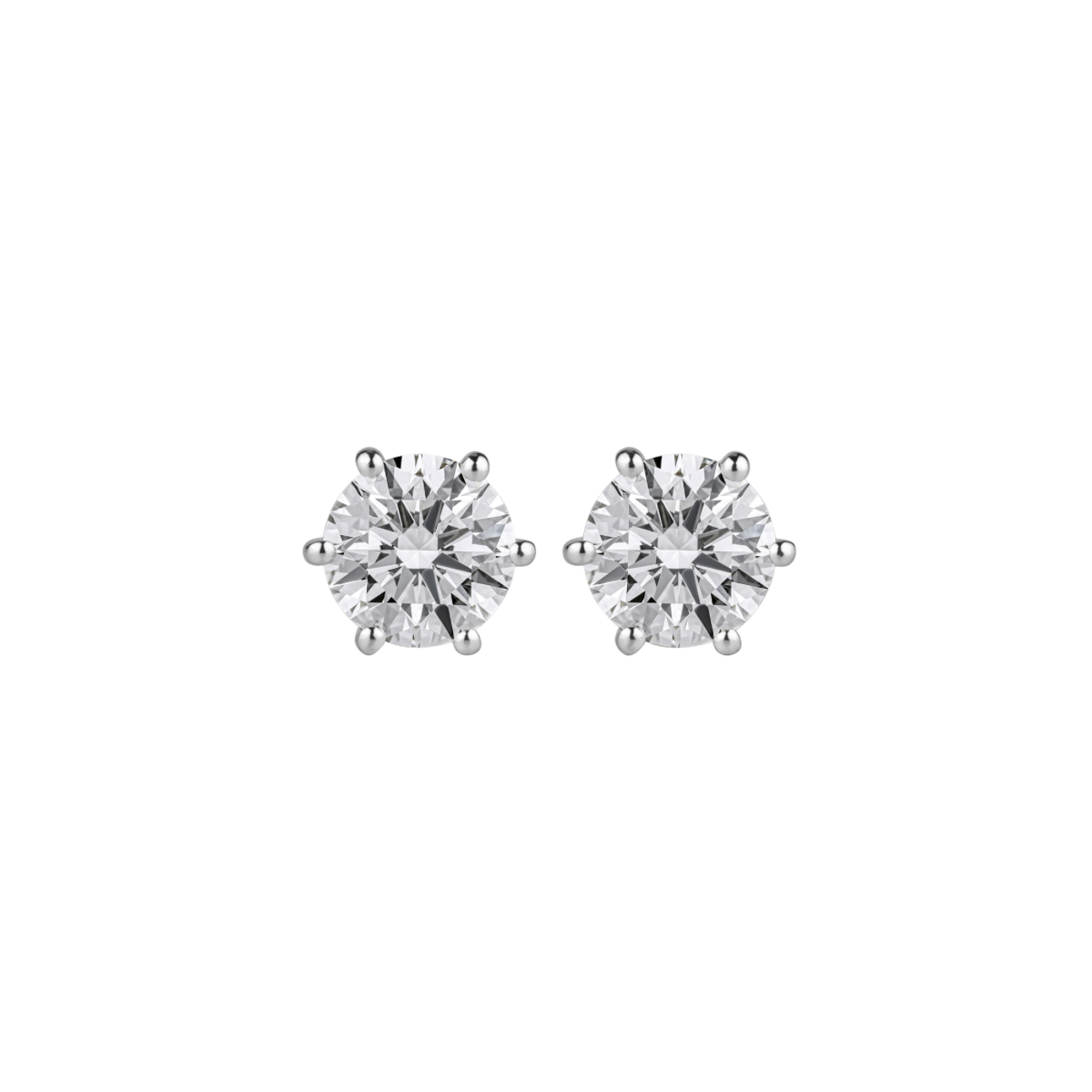
At the jewelry counter, language becomes practical. Is the diamond natural or laboratory-grown? What report accompanies it? How does the price compare with diamonds of similar quality? What is the store's return, trade-in or upgrade policy?
From studs to statement jewelry, laboratory-grown diamonds have widened design and budget possibilities. That makes accurate origin disclosure a responsibility, not an optional flourish.
BriteCo appraisal-linked estimated median sales prices per carat. These are not matched-stone wholesale prices or resale values.
The Fifth C
CIBJO's 2026 recommendation to favor the word "synthetic" in international communication puts terminology back in the spotlight, while national regulations still govern local practice.
Words and Origins
"Laboratory-grown," "synthetic," and even my proposed phrase "factory-grown" can each direct attention to a different aspect of the same production story.
The Missing Context
The essential task is not to win a vocabulary contest. It is to ensure that a buyer understands the diamond's origin.
Clarity is already one of the Four Cs. Confusion has no place among them. The fifth C is context.
SOURCES & IMAGE NOTES: CIBJO 2026 terminology guidance; BriteCo Jewelry, Diamond & Watch Price Index; industrial biscuit production photograph by Sviatlana Lazarenka / Getty Images, via Canva; homemade chocolate chip cookies photograph by A. David Lewis / Wikimedia Commons (CC BY-SA 4.0). The cookie photographs illustrate an analogy, not diamond manufacturing. Jewelry cutouts are illustrative and do not establish diamond origin. The price chart reflects appraisal-linked estimated sales prices, not wholesale or resale values.